

Your healthcare and wellness news reporter
Provided by AGP
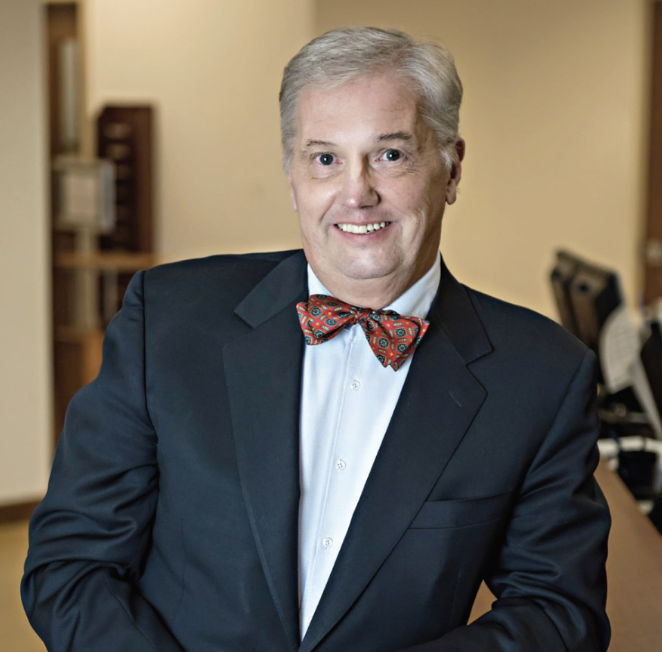
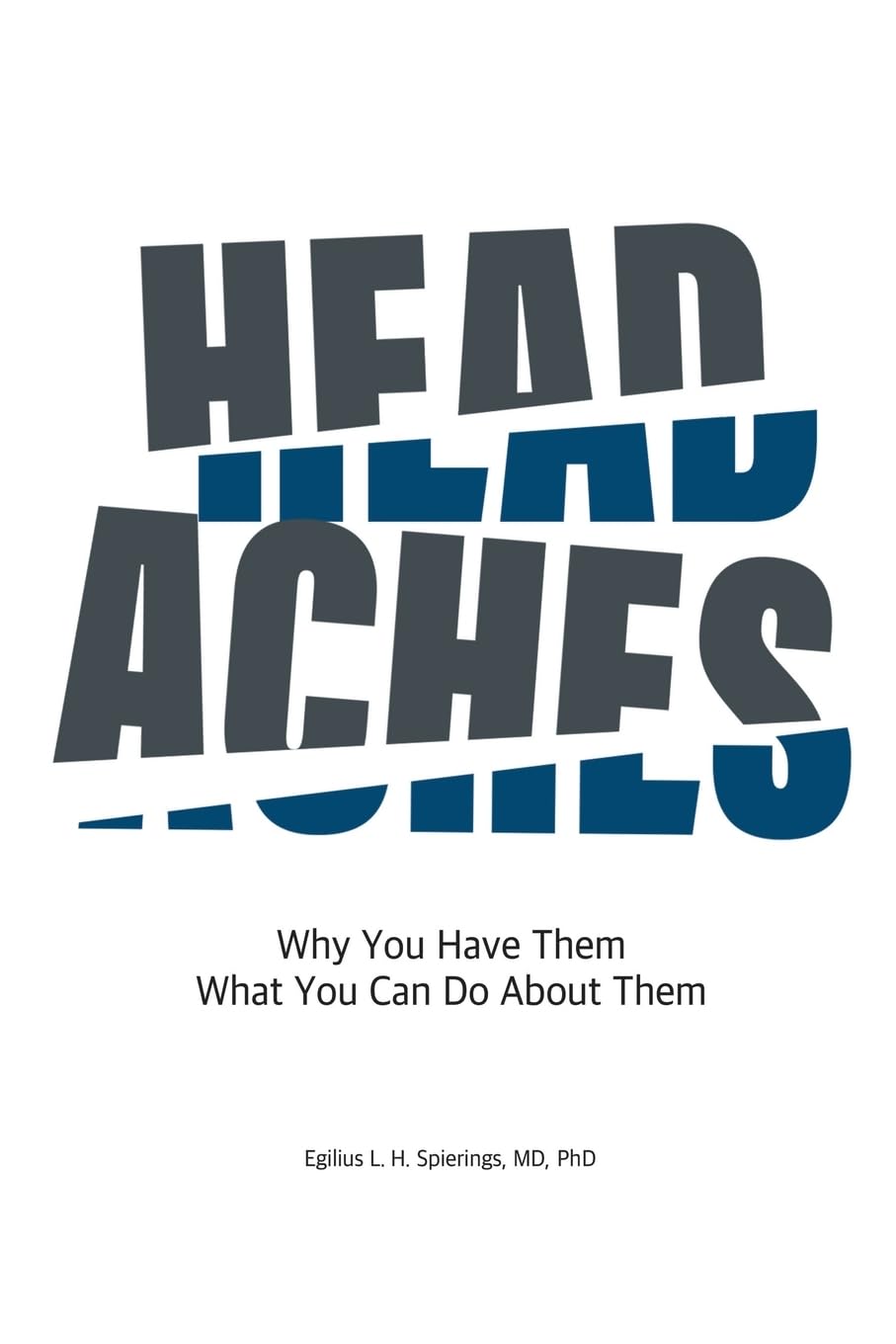
Dr. Egilius L.H. Spierings, Headache-and-Face-Pain Expert Pushes Back Against Claims Migraine Treatment Is 'Guesswork'
Migraine specialist says patients are being overlooked as researchers focus too heavily on brain imaging and biomarkers
LOS ANGELES, CA, UNITED STATES, May 14, 2026 /EINPresswire.com/ -- As new brain imaging research seeks to redefine migraine subtypes using MRI scans and neurological biomarkers, headache-and-face-pain expert Egilius L.H. Spierings, MD, PhD, says modern medicine may be placing too much emphasis on imaging technology, while overlooking one of the most important diagnostic tools available: the patient.
A recent study published by Stanford Medicine and reported by Medical Xpress suggested that functional MRI scans may help identify biological subtypes of migraine and improve treatment decisions. While the findings have generated attention within the medical community, Dr. Spierings says the conversation raises broader concerns about how migraine patients are evaluated and treated.
“Migraine affects about 15% of the world population, roughly one in seven people,” says Dr. Spierings. “Many disorders in medicine are diagnosed and treated based on the patient’s description of symptoms, and there is nothing wrong with that, as long as we truly listen to what patients are telling us.”
According to Dr. Spierings, one of the biggest problems in healthcare today is the growing tendency to place greater value on laboratory findings, imaging, and biomarkers than on patient-reported experiences.
“In my experience, patients often know what is wrong with them,” he explains. “We as physicians need to listen carefully and analyze the information provided. We do not need biomarkers to tell us that what patients describe is valid and meaningful.”
Dr. Spierings also strongly criticized statements in the article suggesting migraine treatment remains uncertain or ineffective.
“It is shocking that a professor of neurology would describe migraine treatment as ‘pretty much guesswork’ or say treatment decisions are ‘worse than trial and error,’” says Dr. Spierings. “That is simply not true, and comments like that risk undermining patient confidence in physicians and other healthcare providers.”
Migraine is currently classified in two primary ways: migraine with or without aura, depending on whether neurological symptoms occur before the headache, and episodic versus chronic migraine, based on headache frequency. However, Dr. Spierings says those categories alone should not determine whether preventive treatment is necessary.
“Whether a patient requires preventive migraine treatment depends on the overall headache burden, how effective abortive treatments are, and whether the patient wants preventive therapy,” he says.
Dr. Spierings also noted that some migraine medications referenced in the study, including beta-blockers and anticonvulsants, represent older treatment approaches that are often poorly tolerated and only modestly effective.
“The current standard of care consists of CGRP-targeted medications, including CGRP antibodies and gepants,” he says. “These treatments are generally very well tolerated, extremely safe, and highly effective.”
As migraine research continues to evolve, Dr. Spierings believes the future of treatment should balance scientific advancement with greater respect for patient insight and physician expertise.
“Technology can certainly help us better understand migraine,” he says. “But medicine should never lose sight of the patient sitting in front of us.”
About Egilius L.H. Spierings
Egilius L.H. Spierings, MD, PhD, is a neurologist and internationally recognized headache-and-face pain specialist with more than 40 years of experience in migraine research and treatment. A former associate clinical professor at Harvard Medical School and clinical professor at Tufts University Schools of Medicine and Dental Medicine, he is the founding director of MedVadis Research and medical director of the Greater Boston Headache Center in Waltham, Massachusetts.
To learn more, click here: https://www.help4headache.com/
Egilius L.H. Spierings, MD, PhD, is available for interviews.
Amanda Kent
Boundless Media USA
+1 313-403-5636
email us here
Legal Disclaimer:
EIN Presswire provides this news content "as is" without warranty of any kind. We do not accept any responsibility or liability for the accuracy, content, images, videos, licenses, completeness, legality, or reliability of the information contained in this article. If you have any complaints or copyright issues related to this article, kindly contact the author above.
