

Your healthcare and wellness news reporter
Provided by AGP
How Avocados Can Support Gut Health and Help You Feel Your Best This Summer

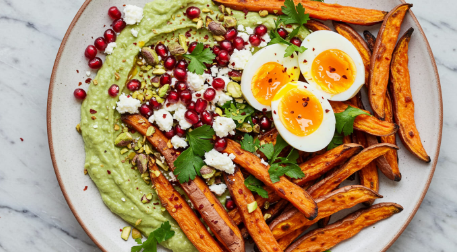
Creamy Avocado Dip with Sweet Potato Fries: A Fibre-Rich Summer Recipe Photo Credit: World Avocado Organisation

Green Salad with Avocado and Mini Burrata. Photo Credit: World Avocado Organisation
As summer approaches, many people are looking to reset their routines and feel lighter, more energised, and balanced. While seasonal changes often focus on fitness or skincare, digestive health is increasingly recognised as a key pillar of overall wellbeing.
A healthy gut not only supports digestion, but also plays a role in energy levels, comfort, and how we feel day to day. In this context, the World Avocado Organisation (WAO) has partnered with Jasmine Bliss, Registered Associate Nutritionist (ANutr) specialising in gut health and women's health, to highlight how diet, and particularly fibre-rich foods such as avocados, can support digestive wellbeing in the lead-up to summer.
Preparing your gut for summer: why it matters now
As routines begin to shift ahead of the summer months, changes in diet, travel, and daily habits can have a direct impact on digestive balance.
“Gut health refers to how well the digestive tract functions, but more broadly it reflects the balance and activity of the trillions of microorganisms that reside in your large intestine. These microbes play a role in everything from digestion and nutrient absorption to immune function, disease prevention and even aspects of mood regulation. It matters because the gut sits at the centre of multiple systems in the body. When it's functioning well, our gut supports energy levels, regular digestion, immune resilience, hormone health and more. It's really the foundation of our health! When it's not, symptoms can show up in forms far beyond digestive symptoms,” explains Jasmine.
“Seasonal shifts, like moving into summer, often bring changes in routine like different eating patterns, more travel, altered sleep, more alcohol, less structured meals and immune challenges like seasonal allergies. These shifts can influence digestion, gut microbiota and immune health, which is why maintaining consistent, supportive habits becomes particularly relevant during these periods”
“The gut is highly adaptable, but it performs best when changes are gradual and supported by consistent dietary habits. Maintaining a balanced intake of fibre, fluids, and nutrient-dense foods helps preserve digestive comfort and overall wellbeing, even when routines shift,” she adds.
The role of fibre in digestive wellbeing
One of the key factors in supporting digestive health is an adequate intake of dietary fibre. Fibre plays a crucial role in maintaining regular digestion, supporting gut function, and helping to nourish beneficial bacteria in the digestive tract. Jasmine explains that “Fibre plays a foundational role in digestive health. It helps regulate bowel movements, supports gut motility and contributes to a more stable digestive rhythm.
Despite its importance, most people do not meet their daily recommended fibre intake. In the UK, adults are advised to consume at least 30g of fibre per day1, average intake remains significantly lower, typically ranging between 16 and 20g, with fewer than 5% meeting the guideline2. Incorporating fibre-rich foods such as avocado naturally into everyday meals can therefore make a meaningful difference in supporting digestive balance. Avocados provide approximately 6–7 grams of fibre per 100g. Jasmine adds, “Avocado is a particularly interesting food from a gut health perspective because it combines several nutrients that work together.”
“Firstly, it provides a meaningful amount of fibre, both soluble and insoluble, which supports digestion, regular bowel movements and feeds beneficial gut bacteria. When this fibre ferments in the gut, it contributes to the production of short-chain fatty acids, which help support the gut lining and overall digestive function. Avocado is also rich in monounsaturated fats, particularly oleic acid, which are associated with heart health and may also support a favourable inflammatory environment in the body. This combination of fibre and fats also slows digestion slightly, which can support satiety, more stable blood sugar responses and overall metabolic health - all relevant for both gut health and energy levels,” states nutritionist Jasmine.
“From a micronutrient perspective, avocado is notably nutrient-dense. It provides potassium, which plays a role in electrolyte balance and muscle function, as well as folate, several B vitamins, and fat-soluble vitamins such as vitamins K and E. It's also a source of antioxidants such as lutein and phytosterols, which may support eye health and cholesterol regulation, respectively. The healthy fat content of avocado can enhance the absorption of these fat-soluble vitamins, as well as those in foods eaten alongside it, which is crucial for both gut and overall health.”
Supporting your gut microbiota
Beyond digestion, maintaining a healthy gut microbiota is essential for overall wellbeing. “Gut microbiota refers to the diverse community of microorganisms living in the digestive tract, including bacteria, viruses and fungi. Rather than thinking in terms of simply "good" and "bad", it's more helpful to think about balance and diversity,” adds Jasmine.
A balanced microbiota supports not only digestion, but also contributes to nutrient absorption, immune function, and even how the body responds to routine pressures. When this balance is disrupted, it can lead to discomfort such as bloating, irregular digestion, or a general feeling of heaviness.
“A more diverse microbiota is generally associated with better health outcomes. Diet plays a central role in shaping this. Regularly eating a wide variety of plant foods helps provide different types of fibre and compounds that feed certain microbial species, helping to foster a diverse gut environment. Aiming for 20-30 different plant sources a week is a good start!” explains Jasmine.
In particular, foods rich in fibre, such as avocado, help nourish beneficial bacteria in the gut, acting as fuel for these microorganisms and promoting a more diverse and resilient microbiota, contributing to overall digestive balance and wellbeing.
Supporting the gut microbiota through everyday food choices is a simple yet effective way to build a strong foundation for feeling lighter, more balanced, and energised ahead of the summer months. “In practical terms, it's an easy addition to meals, whether added to salads, on toast or alongside main dishes, that contributes to overall fibre intake without requiring significant dietary changes.” explains Jasmine.
https://www.nutrition.org.uk/nutritional-information/fibre/?level=Health+professional&utm_source=chatgpt.com
https://www.gov.uk/government/statistics/national-diet-and-nutrition-survey-2019-to-2023/national-diet-and-nutrition-survey-2019-to-2023-report?utm_source=chatgpt.com
Creamy Avocado Dip with Sweet Potato Fries: A Fibre-Rich Summer Recipe
Servings: 2 people
Ingredients
For the Sweet Potato Fries:
2 sweet potatoes
2 Tsp olive oil
1 Tsp garlic powder
1 sp smoked paprika
½ Tsp cumin
Salt and pepper to taste
For the Avocado Cream:
2 ripe avocados
2–4 tbsp Skyr, plain yogurt, or Greek yogurt
Juice of 1 lemon
½ tsp chili powder
½ tsp garlic powder
½ tsp cumin
Salt and pepper to taste
Toppings:
2 soft-boiled eggs (cooked for 5–6 minutes)
50 g feta cheese (crumbled)
Pomegranate seeds
Chopped parsley
Crushed pistachios
Optional: extra chilli flakes
Instructions
Prepare the Sweet Potato Fries:
Preheat the oven to 200°C (400°F).
Peel and cut the sweet potatoes into thin fries. Place them on a baking sheet lined with parchment paper.
Drizzle with olive oil and sprinkle garlic powder, smoked paprika, cumin, salt, and pepper. Toss to coat evenly.
Bake for around 30 minutes, flipping halfway through, until crispy and golden.
Make the Avocado Cream:
Scoop the flesh of the avocados into a blender.
Add Skyr or yoghurt, lemon juice, chilli powder, garlic powder, cumin, salt, and pepper. Blend until smooth and creamy. Adjust seasoning as needed.
Prepare the Toppings:
Boil the eggs for 5–6 minutes for a soft, runny yolk. Cool, peel, and set aside.
Crumble the feta and prepare the pomegranate seeds, parsley, and pistachios.
Assemble the Dish:
Spread the avocado cream onto a serving plate or bowl.
Add the baked sweet potato fries on top.
Garnish with soft-boiled eggs, feta, pomegranate seeds, pistachios, parsley, and optional chilli flakes for extra flavour
Green Salad with Avocado and Mini Burrata
Servings: 2 people
Ingredients
2 avocados
100g pomodoro tomatoes
1 basil sprig
3 tbsp avocado oil
1 tsp ginger syrup
1 tbsp lemon juice
50g baby leaf salad mix
2 mini burratas (50g each)
Instructions
Halve the avocados, remove the pit and peel off the skin. Dice the avocado and halve the tomatoes.
Finely chop the basil. Add the basil, avocado oil and lemon juice to the (jam) jar. Add salt and pepper to your taste. Close the lid and shake until well-mixed.
Sprinkle the salad mix on 2 plates (or in lunch boxes). Divide the avocado and tomatoes over the salad. Add the burratas. Drizzle the dressing over the salad or keep the dressing in the jar to use just before serving
About the World Avocado Organisation
The World Avocado Organisation is a non-profit organisation founded in 2016 whose members are avocado growers, exporters and importers from around the world - including the top four grower supplier countries to the EU and UK. The World Avocado Organisation promotes the consumption of avocados based on their nutritional value and recognised health benefits. It also shares information and insights on avocado production, supply chains and sustainability with the public.
About Jasmine Bliss
Jasmine Bliss is a Registered Associate Nutritionist (ANutr) specialising in gut health and women's health. Her approach combines scientific expertise with a real-life approach to wellbeing, always looking to treat the root cause of complex gut and hormone issues rather than simply the symptoms themselves. Through her online nutrition clinic, Jasmine Bliss Nutrition, brand partnerships and media work, Jasmine is known for translating complex nutrition science into clear, accessible guidance.
For the website, please go to: www.worldavocadoorganisation.com
For further information, contact: info@worldavocadoorganisation.com
For press-related queries please contact: waouk@marco.agency
Oscar Valero
Marco Agency
+34 914 58 54 90
oscar.valero@marco.agency
Legal Disclaimer:
EIN Presswire provides this news content "as is" without warranty of any kind. We do not accept any responsibility or liability for the accuracy, content, images, videos, licenses, completeness, legality, or reliability of the information contained in this article. If you have any complaints or copyright issues related to this article, kindly contact the author above.
