

Two New White Papers Put Prevention at the Center of Gwinnett County’s Animal Welfare Future

Two New White Papers Put Prevention at the Center of Gwinnett County’s Animal Welfare Future
Planned PEThood of Georgia
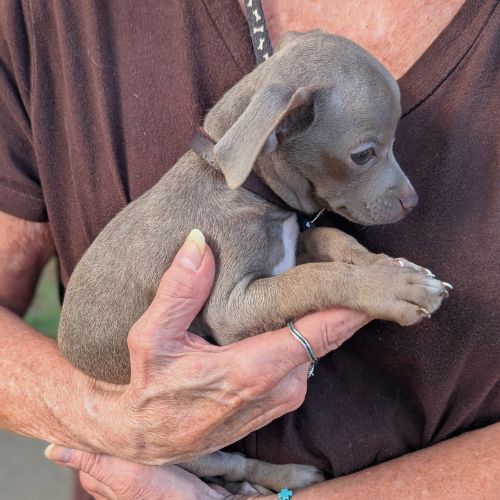
One of Planned PEThood's Adorable Clients
Planned PEThood of Georgia just published two new thought-leadership white papers examining critical animal welfare needs in Gwinnett County, Georgia.
DULUTH, GA, UNITED STATES, October 1, 2026 /EINPresswire.com/ -- Planned PEThood of Georgia just published two new thought-leadership white papers examining critical animal welfare needs in Gwinnett County, Georgia and identifying practical, data-driven opportunities to address them.
The papers, “Expanding Access to Affordable Spay and Neuter” and “Community Cat TNVR in Gwinnett County: A Needs and Capacity Assessment,” focus on a common goal: preventing animal suffering before it starts.
Planned PEThood intentionally aligned the release with October, a month that brings several important opportunities to raise awareness about animal welfare, including National Feral Cat Day, World Cat Day, and World Animal Day. Together, these observances provide an opportunity to focus attention on the challenges facing cats and dogs in Gwinnett County and on solutions that can prevent animals from entering shelters in the first place.
For more than 16 years, Planned PEThood of Georgia, a 501(c)(3) animal welfare nonprofit based in Duluth, has provided low-cost and free spay and neuter services for owned pets, shelter animals, and Community Cats, including feral cats and friendly strays. Its prevention-focused programs help keep dogs and cats healthy, keep families together, keep animals out of shelters, and prevent suffering before it starts.
“We believe Gwinnett County has an opportunity to rethink what animal welfare can look like. Instead of waiting for animals to enter shelters, we can invest upstream: in spay and neuter, TNVR, accessible veterinary care, education, and the people already working in our communities.” shared CJ Bentley, CEO of Planned PEThood.
Expanding Access to Affordable Spay and Neuter
The first white paper examines how Gwinnett County can expand access to affordable spay and neuter services for owned cats and dogs and how a coordinated investment in prevention could benefit both pets and the broader community.
The analysis estimates that 144,180 Gwinnett households have approximately 88,237 unaltered pets whose owners may need financial assistance to access sterilization services. With thousands of animals entering the county shelter each year, the paper explores how resources could be targeted to areas of greatest need, existing service capacity could be expanded, and preventable shelter intake could be reduced.
The research estimates an average cost of approximately $215 per surgery, including spay/neuter and a rabies vaccination. Actual costs can vary based on species, size, surgical complexity, and other factors.
Importantly, Gwinnett County would not need to build an entirely new system. The paper identifies six high-volume, low-cost spay/neuter providers in and around Gwinnett County that could potentially participate in a targeted community program, building on infrastructure and expertise that already exist.
The paper also explores a potential funding model combining private grants, philanthropic support, and government investment, highlighting DeKalb County as a recent example of how public investment can expand access to spay/neuter and community veterinary services.
The findings suggest that a targeted, data-driven investment in spay and neuter could help reduce shelter intake, ease pressure on animal welfare services, prevent animal suffering, improve public safety, and ultimately save taxpayer dollars.
Community Cat TNVR in Gwinnett County: A Needs and Capacity Assessment
The second white paper focuses on one of Gwinnett County’s most visible and challenging animal welfare issues: Community Cats.
Imagine a Gwinnett County where every Community Cat has access to humane care, volunteers have the resources they need to prevent suffering, and fewer kittens enter the county shelter.
That future is within reach.
Across Gwinnett County, hundreds of dedicated volunteers spend countless hours trapping, transporting, feeding, and caring for Community Cats. Yet many continue to face barriers to effective TNVR, including limited funding, difficulty accessing affordable spay and neuter services, inadequate recovery space, and a lack of public understanding about Trap-Neuter-Vaccinate-Return.
The need is significant. An estimated 14,000 to 28,000 Community Cats in Gwinnett County may still need TNVR services, underscoring both the scale of the challenge and the opportunity for meaningful impact.
Gwinnett County also has an important advantage: it does not need to start from scratch. Veterinary providers, experienced trappers, nonprofit organizations, and existing County services already provide a foundation for a stronger, more coordinated approach. At the same time, caregivers continue to report barriers to accessing affordable TNVR, while some existing free appointments may go unused.
The white paper combines local research, available data, national best practices, and input from Community Cat caregivers to identify four key opportunities for action: expand funding for free and subsidized TNVR, increase access to surgical capacity, invest in public education, and explore post-surgery recovery options.
A Focus on Prevention
While the two white papers address different populations—owned pets and Community Cats—they reach a similar conclusion: prevention is one of the most effective tools available to reduce shelter intake and animal suffering.
Neither challenge can be solved by one organization alone. Meaningful progress will require collaboration among nonprofits, veterinarians, volunteers, funders, government agencies, and community leaders, along with strategic investment in programs that address the root causes of shelter intake.
Through these white papers, Planned PEThood hopes to spark conversation, encourage collaboration, and move Gwinnett County toward practical solutions that can be implemented now- not years from now.
“After more than a decade in animal welfare, one thing I know for certain is that no one organization can solve these challenges alone. We have so many passionate people, organizations, veterinarians, volunteers, and community leaders doing good work. The real opportunity is to stop working in silos, connect those efforts, and bring our resources together. That’s where the power of community comes in, and that’s what I hope these papers can help inspire.” shared Marci Reynolds, Planned PEThood’s Director of Development and Marketing, and the author of both white papers.
Gwinnett County has the people, organizations, expertise, and infrastructure to make meaningful progress. The opportunity is to bring those resources together, invest strategically, and make prevention a larger part of the community’s animal welfare strategy. By doing so, Gwinnett can help create a future where fewer animals experience suffering, fewer pets enter shelters, and more cats and dogs remain where they belong: healthy and cared for in their communities.
👉 Click here to download white papers.
Marci Reynolds
Planned PEThood of Georgia
email us here
Visit us on social media:
LinkedIn
Instagram
Facebook
Legal Disclaimer:
EIN Presswire provides this news content "as is" without warranty of any kind. We do not accept any responsibility or liability for the accuracy, content, images, videos, licenses, completeness, legality, or reliability of the information contained in this article. If you have any complaints or copyright issues related to this article, kindly contact the author above.
